
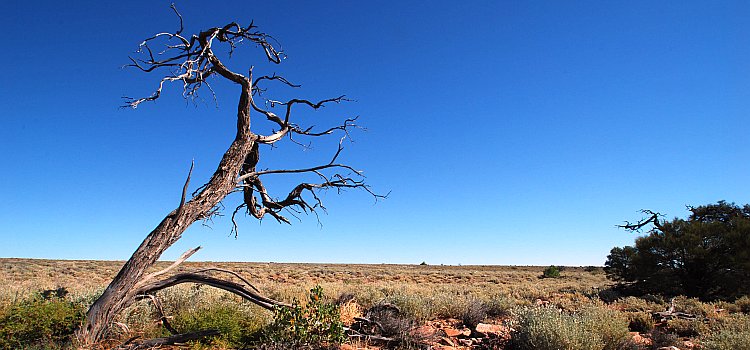
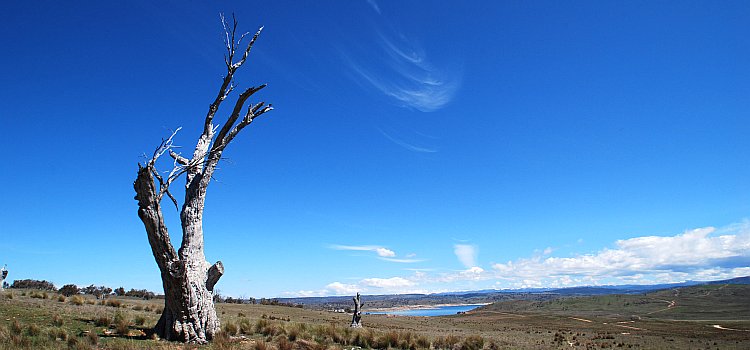


Tortured, contorted, gnarled, yet proud, even grand, snowgums set the tone of the Monaro landscape. To me they are the defining element of this harsh and unforgiving country.


Although still widespread and plentiful, the Monaro snowgums we see today are merely the remnant of a once flourishing arboricultoral population; all that is left of the over-story vegetation to provide shelter from the sweltering hot sun of summer and the driving blizzards of winter which in turn determine the Monaro snowgum's growth habit.
The resultant gnarled snowgum trees standing sentry over the pastures of tussocks and native grasses interspersed in places with huge rocks and a multitude of stones make for a landscape photographers delight. With the contorted forms of a supple dancer and their twisted, unmovable bulk they present the landscape photographer with a paradox, adding weight to the strength of the forms encountered in the early morning light and swirling shroud of mist.
Renowned for it's severe weather, Nimmitabel is where the Nimmitie coat originated. A sheep grazier first made the coats out of old feed bags to protect the newly shorn sheep from the cold and thus cut losses. Perhaps Cooma's main claim to fame is as the headquarters for the post war construction of the Snowy Mountains Hydro Electric Scheme.
Cooma is in a valley at about 800 meters above sea level and is known more for it's winter frosts than for snow. Standing exposed at around 1100 meters, Nimmitabel, in winter, picks up the left over snow falls from the nearby Snowy Mountains.
A generous gentleman with a very large land holding has allowed me to wander around his property pursuing my wilderness photography. With the intention of producing a portfolio of 20 or 30 works that capture with power my interpretation of this landscape dominated by the Monaro snowgums I'll continue with this project for some time, maybe years.